.tmedium.png)
.tmedium.png)
Miró and Barcelona
Joan Miró and Barcelona | Where to see his work and how to explore his city from the Gothic Quarter
What was Joan Miró's relationship with Barcelona? Where can you see his work in the city beyond the Fundació? How can you explore Miró's Barcelona from the Gothic Quarter?
Joan Miró was born in a passage in the Gothic Quarter, a few minutes from the Cathedral, and held his first exhibition on Carrer de la Portaferrissa. He lived between Paris and Mallorca, but his public work was made for Barcelona: a mural at the airport, a mosaic on La Rambla, a 22-metre sculpture in the Parc de Joan Miró and a foundation on Montjuïc designed by his friend Josep Lluís Sert.
His stars, birds and moons now stand in places thousands of people pass every day without knowing it. This article puts them in order: what they are, when they were made and how to reach them from Lamaro.
-- Miró wanted his work to welcome those arriving in Barcelona. --
I. The Gothic Quarter: Passatge del Crèdit and the Dalmau gallery
Joan Miró was born on 20 April 1893 at number 4 Passatge del Crèdit, between Carrer de Ferran and Baixada de Sant Miquel. His father was a goldsmith and watchmaker. Later, Miró had his first studio in the same passage.
Josep Dalmau, painter, restorer and art dealer, had his gallery at Carrer de la Portaferrissa, 18. In 1912 it had shown the city's first Cubist exhibition. In 1918 Dalmau organised Miró's first solo exhibition and, in 1921, his first in Paris as well. He was Miró's first dealer.
Passatge del Crèdit and Portaferrissa are five minutes apart on foot.
II. 1968: a mural for the airport and three works for the city
In 1968 Barcelona held a major retrospective of Miró at the Antic Hospital de la Santa Creu, in the Raval. In that context, the City Council commissioned a mural for the airport to welcome visitors. Miró accepted and proposed more: one work for those arriving by air, another for those arriving by sea and another for those arriving by land.
The Fundació Joan Miró presents these works as symbols of the city's modernity and international openness, conceived in the final years of the dictatorship.
III. Air, sea and land
By air. In 1970 Miró and the ceramicist Josep Llorens Artigas completed the mural on the façade of today's Terminal 2B at Josep Tarradellas Barcelona-El Prat Airport. It measures 50 metres wide by 10 high and has 4,865 ceramic pieces, with large shapes and fields of colour: stars, birds, suns and moons.
By sea. In December 1976 the Pla de l'Os mosaic was unveiled on La Rambla, beside the Mercat de la Boqueria, on the route of those walking up from the port. It was made by Joan Gardy Artigas with the Escofet workshops. It is a circle of about eight metres in black, white, red, blue and yellow, made of panot, the same paving tile used on Barcelona's pavements. You walk on it: it is part of the street.
By land. The third work was planned for the Parc de Cervantes, at the city's entrance along the old national road. It was never built, and its model is kept at the Fundació Joan Miró. Years later, the City Council commissioned another sculpture from Miró for the former Parc de l'Escorxador: Dona i ocell (Woman and Bird), 22 metres of concrete clad in ceramics, rising over the pond of today's Parc de Joan Miró. It was unveiled in April 1983, months before the artist's death. It is often described today as the welcome by land, although it began as a separate commission.
-- Miró's public works in Barcelona stand in places of passage: an airport, a rambla and a park. --
IV. Montjuïc: the Fundació Joan Miró and Josep Lluís Sert
The Fundació Joan Miró, Centre d'Estudis d'Art Contemporani, opened on 10 June 1975 on Montjuïc. Miró wanted it as a place for his own work and for the contemporary art that would come after.
The building is by Josep Lluís Sert, architect, urban planner and the artist's friend. They had known each other since before the war: in the Republic's pavilion at the 1937 International Exhibition in Paris, Sert designed the building and Miró painted El segador (The Reaper). The Fundació describes its home as one of the few museums where artist and architect worked in direct dialogue. It is rationalist architecture with Mediterranean features: white concrete, skylights, a central patio with an olive tree and a terrace over the city. Jaume Freixa, Sert's student and collaborator, extended it in 1988 and 2000.
To go up the hill, the Montjuïc funicular leaves from Paral·lel station and stops a few minutes' walk from the Fundació.
In 2026 the Fundació has centred its programme on architecture, in the year Barcelona is World Capital of Architecture. From 9 October it presents the first exhibition in Spain devoted to Charlotte Perriand, designer and collaborator of Le Corbusier and Sert.
V. The Liceu, 1978: Mori el Merma
On 7 June 1978 the Gran Teatre del Liceu staged Mori el Merma, a production by the Teatre de la Claca company, directed by Joan Baixas, with figures, masks and sets by Miró. The title comes from a Catalan tradition: children chased the Merma, the big-headed figure that opened the Corpus Christi procession, shouting «mori el Merma» («death to the Merma»). Miró turned him into an Ubu, Alfred Jarry's grotesque tyrant, and the 1978 audience read him as a satire of the dictatorship. It was a production without dialogue.
The Liceu's current auditorium is the one rebuilt after the 1994 fire. It stands a few metres from the Pla de l'Os mosaic.
VI. A walk from the Cathedral
Miró's Barcelona in the Gothic Quarter can be explored on foot from Lamaro. In Plaça de Sant Jaume, the central courtyard of the Casa de la Ciutat holds Miró's sculpture Dona (Woman). Close by is Passatge del Crèdit, where he was born. From there, Carrer de la Portaferrissa leads to number 18, where he first exhibited. The street opens onto La Rambla; walking down towards the sea you reach the Pla de l'Os mosaic and, a few metres further, the Liceu.
Five stops, and a little over one kilometre.
VII. Lamaro and Miró
Lamaro opened in 1951 as the Hotel Colón, facing the façade of the Cathedral. The hotel keeps an engraved plaque with a drawing by Miró and a dedication in Catalan, «amb tota simpatia» («with warmest regards»), signed and dated 6 October 1960. Beneath it, a second plaque records the Hotel Colón's thanks to the artist for that dedication, received, in its own words, during one of his frequent stays at the house.
Miró's name also appears in the hotel's historic guest book.
For guests booking directly, the Lamaro team plans the route around the time each stay allows and arranges tickets for the Fundació Joan Miró when needed. Write to us at concierge@lamarohotel.com before you arrive.
-- «Amb tota simpatia». Joan Miró, 6 October 1960. --
Agenda: Miró and his context in Barcelona
Some dates are approximate. Please check each institution's website before your visit.
Lamaro as a starting point: Miró's Barcelona
Walking times at a normal pace (5 km/h). Taxi with normal city traffic.
Continue discovering Barcelona
Explore another perspective on the city with Lamaro Cultural Stays:
Book with us with benefits
-

Best price guaranteed
-

Cancellation insurance included in non-refundable rates.
-

Early check-in / Late check-out
(subject to availability) -

Free parking
-

Complimentary first minibar refill
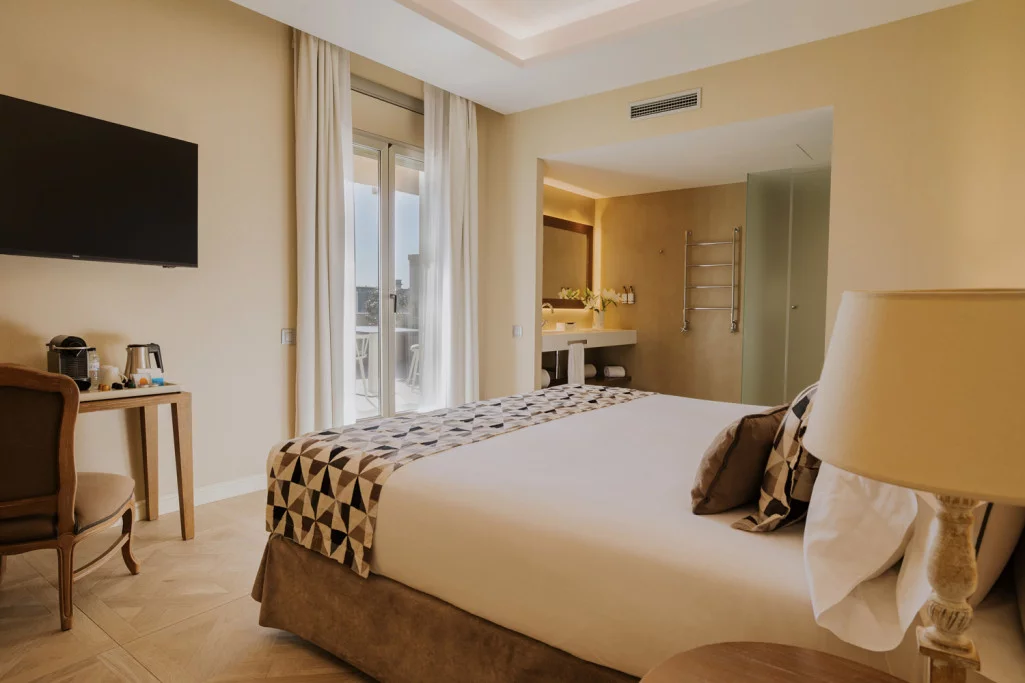
Your starting point for Miró's Barcelona
- Views of the cathedral
- Suites
- Triples and Family (Quad)
- With terrace or balcony
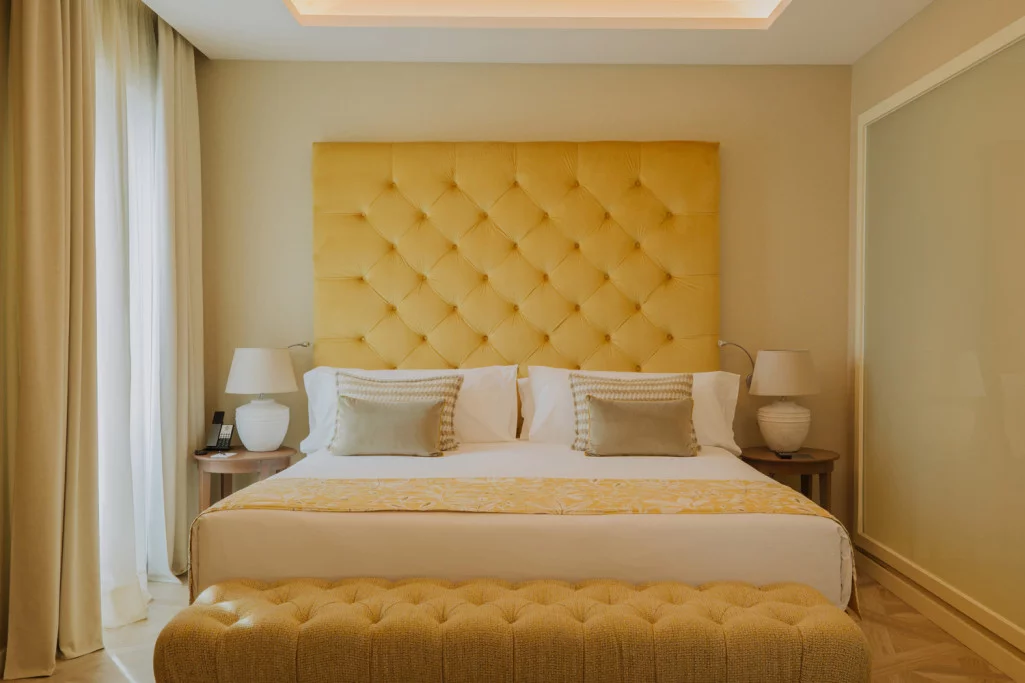

Grand Master Suite
2 adults + 2 children · views · 4 balconies
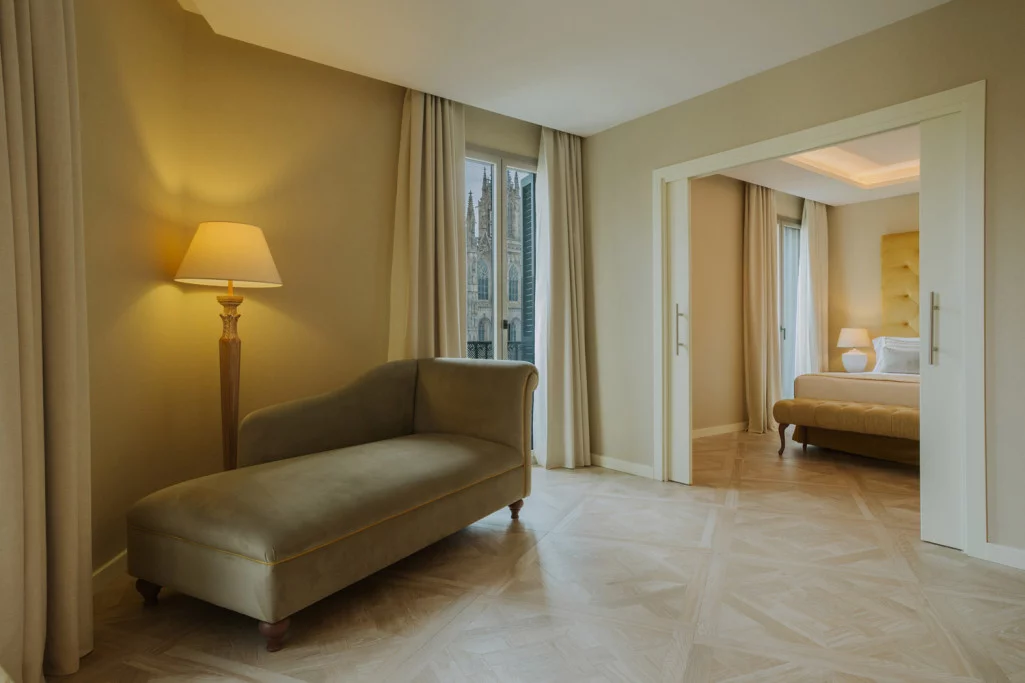
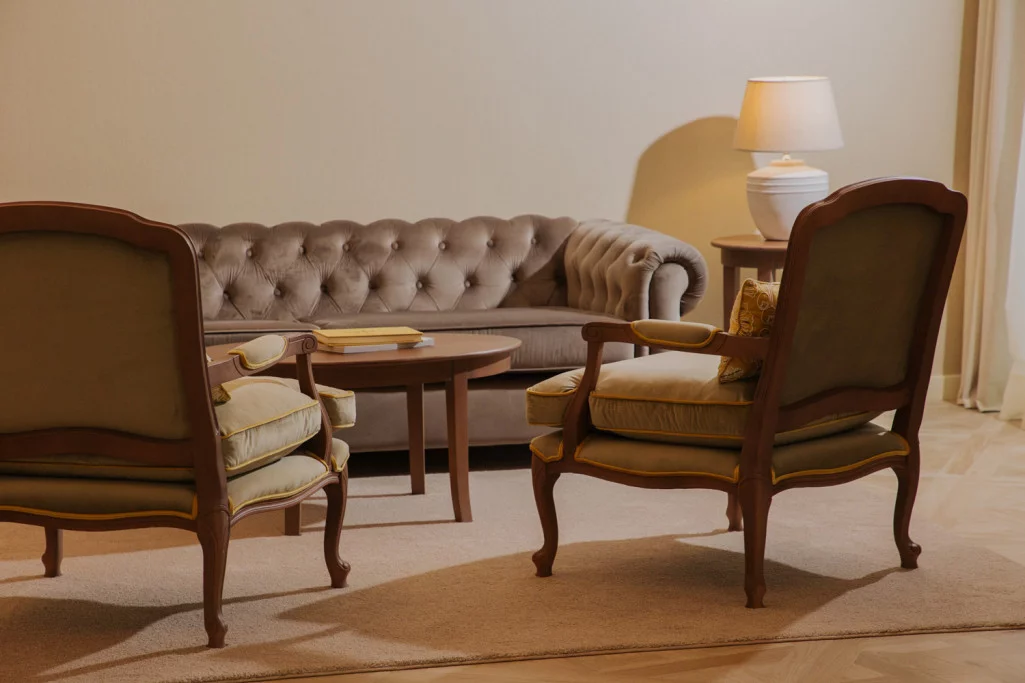
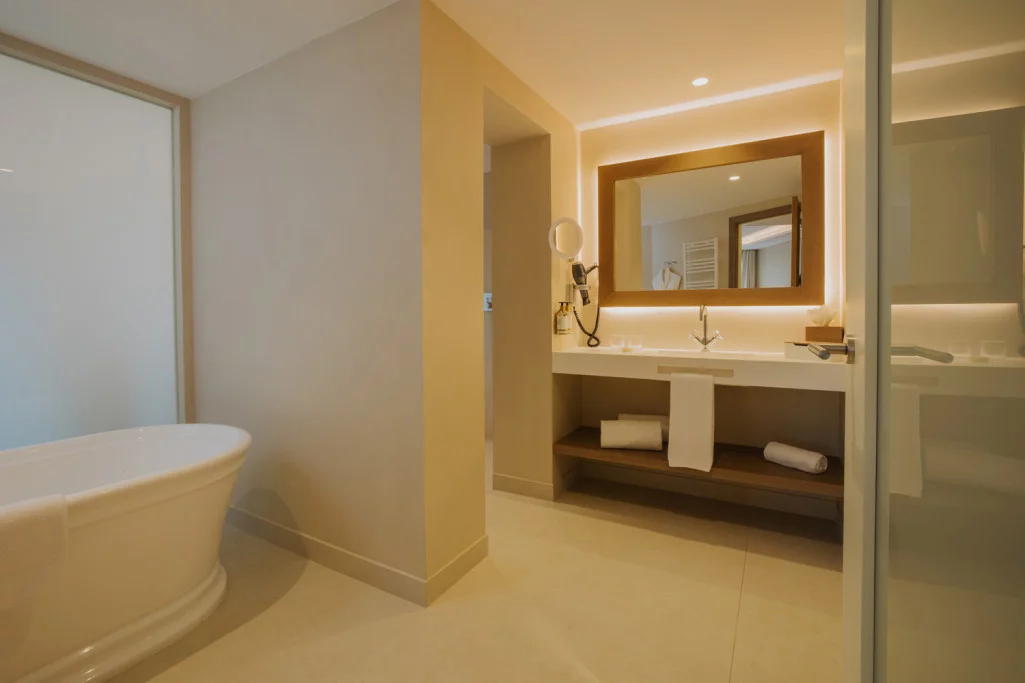
The Grand Master Suite offers 72 m² of space to make yourself at home in Barcelona. Its living room provides a place to spend time together and unwind; the bedroom has a King Size bed, while the bathroom features both a shower and a bathtub. The suite accommodates up to two adults and two children aged 17 or under, making it a comfortable choice for a family stay.
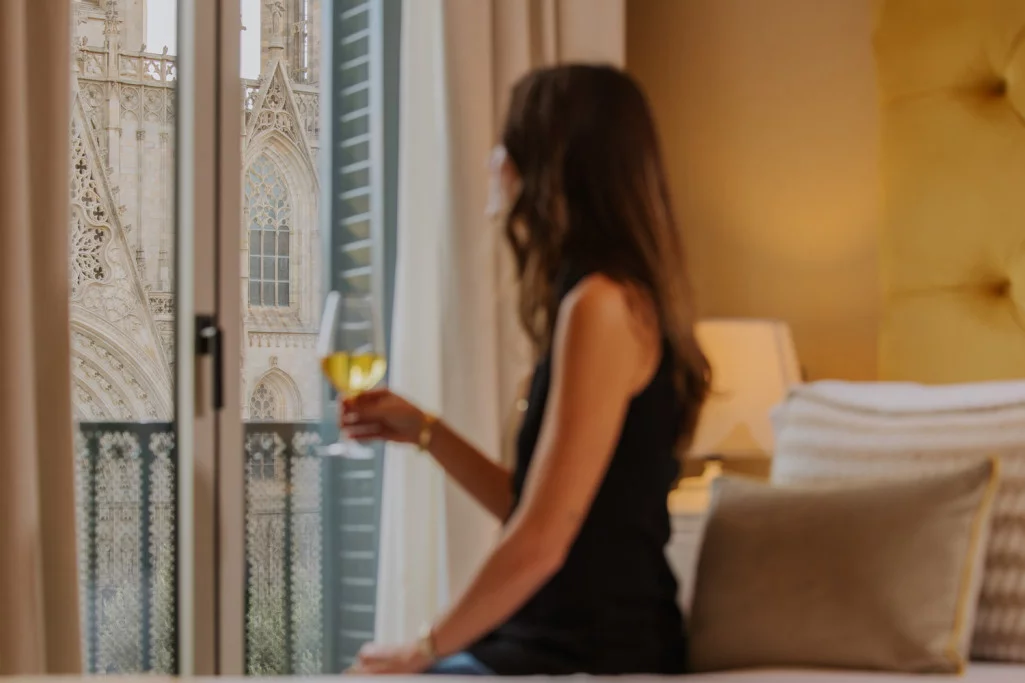
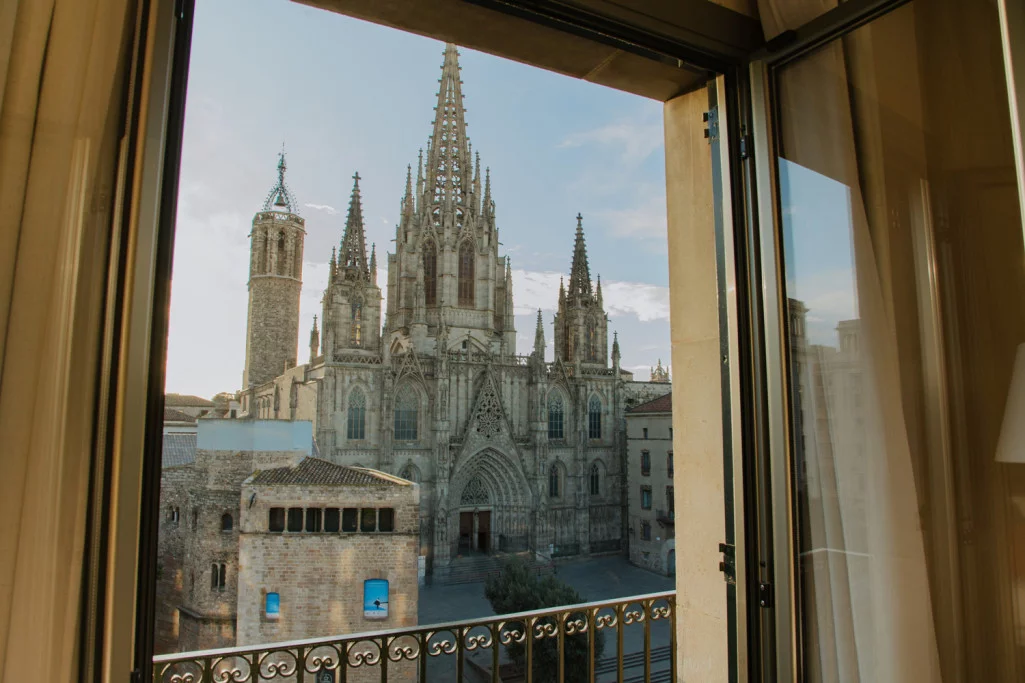
Its four balconies open the suite to the historic centre. Two overlook Barcelona Cathedral, bringing the city into view throughout the day.
When you book directly with Lamaro, the Design & Craft Tour is included as a complimentary experience, subject to availability and operational confirmation. Explore the tour.
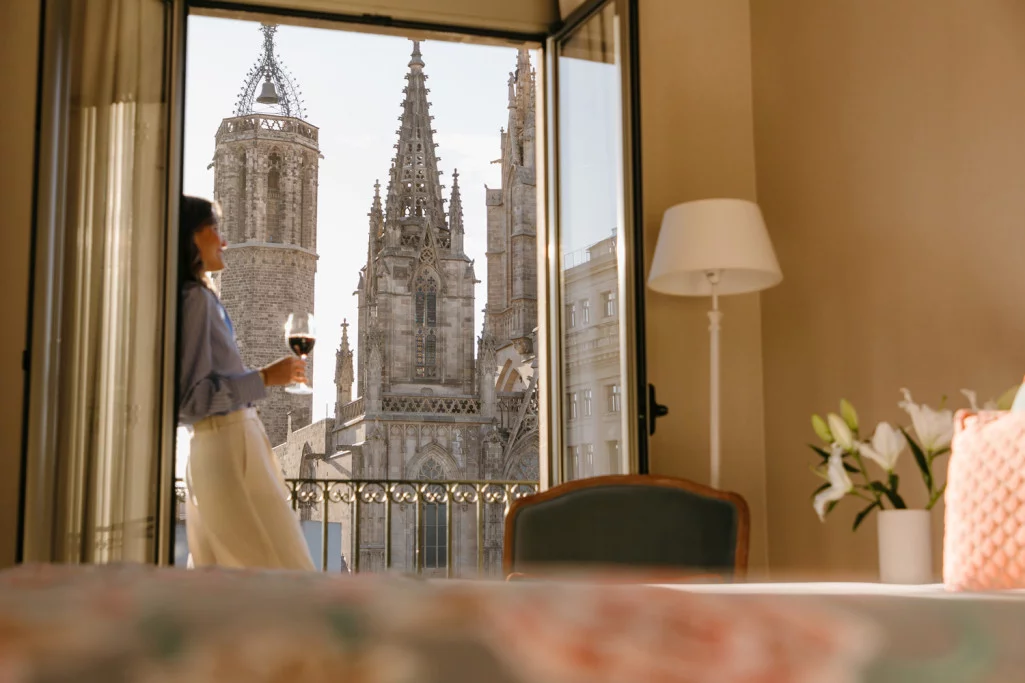
Premium Suite
1 or 2 guests · views · balcony
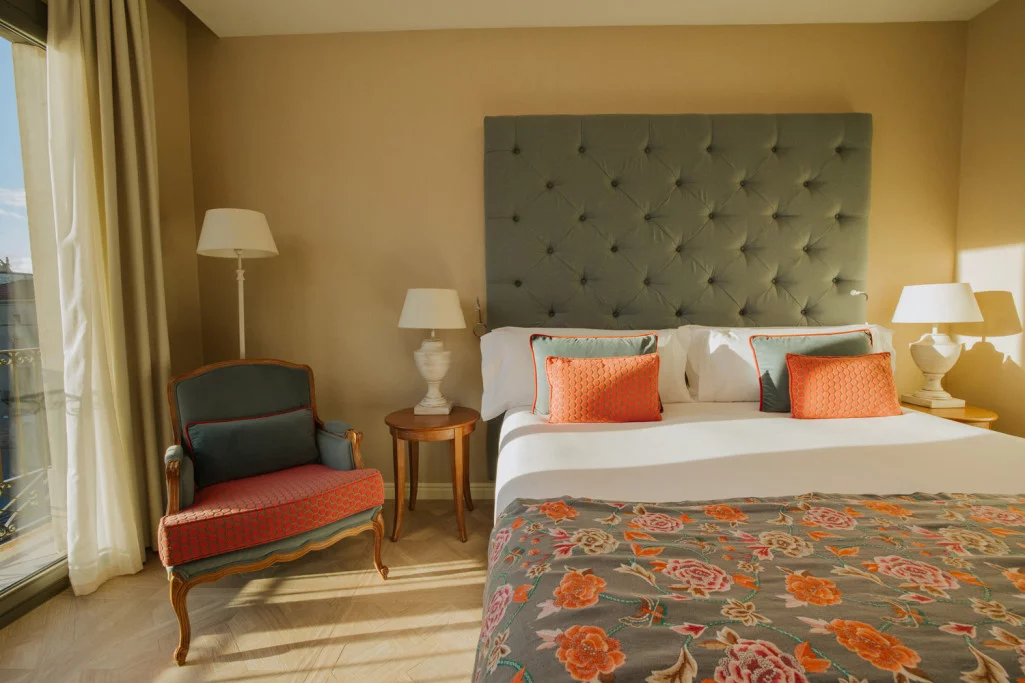
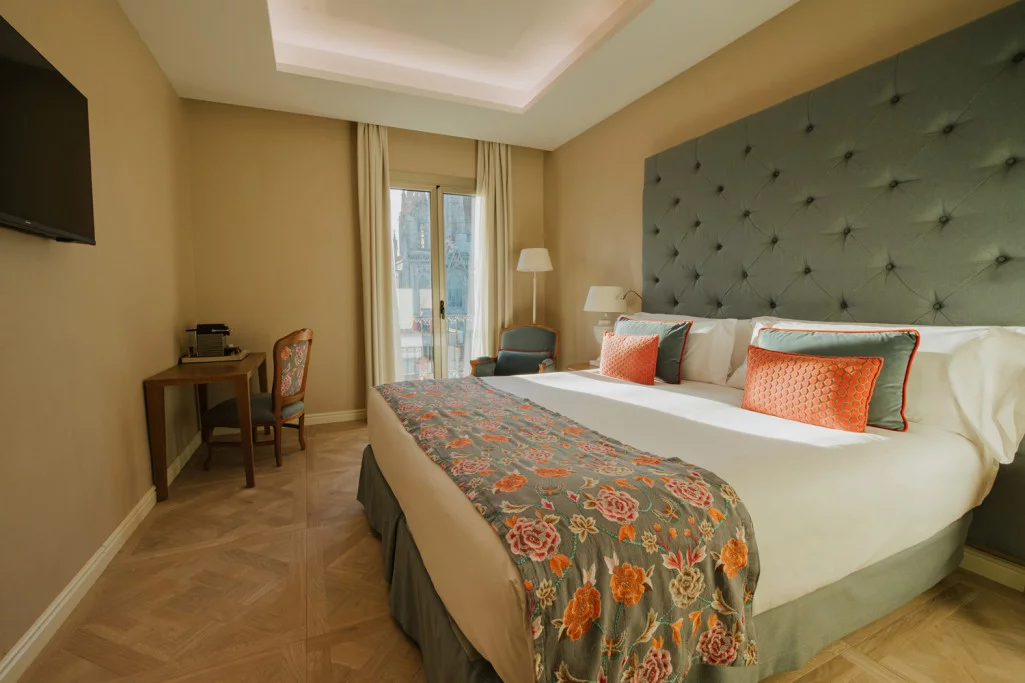
Wake up with Barcelona Cathedral before your eyes. This 25 m² room for one or two guests has a private balcony overlooking one of the city’s most recognisable landmarks. Cathedral views are guaranteed in this room category.
Inside, a rainfall shower, coffee maker and welcoming atmosphere make it a comfortable place to return to after exploring the Gothic Quarter. Step onto the balcony and take a moment to enjoy the city from your own vantage point.
When you book directly with Lamaro, the Design & Craft Tour is included as a complimentary experience, subject to availability and operational confirmation. Explore the tour.
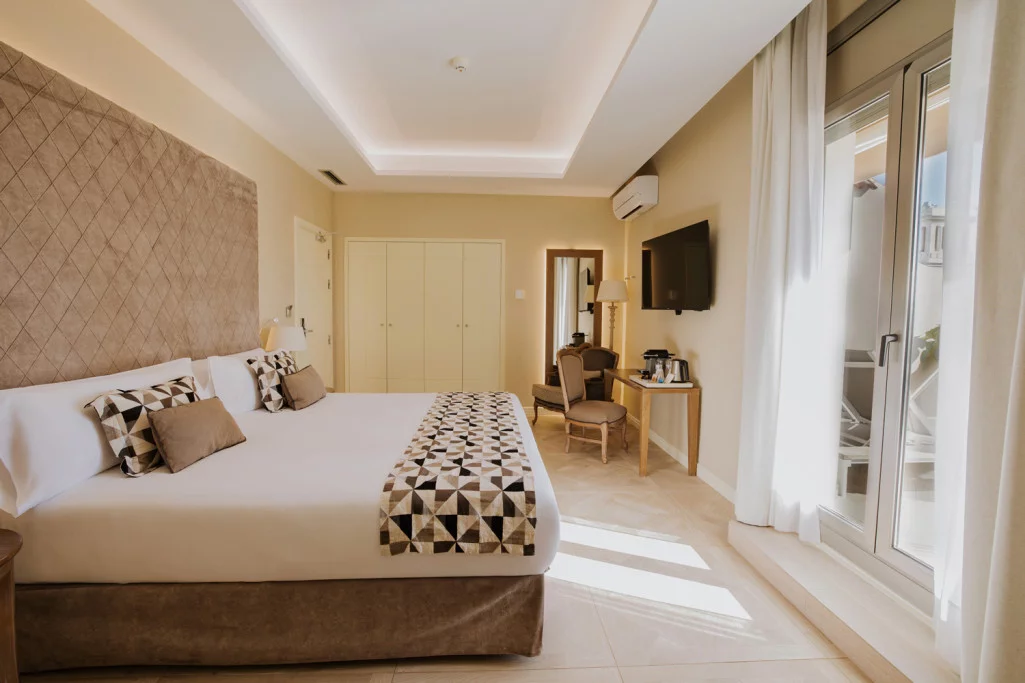
Skyline Suite
1 or 2 guests · terrace
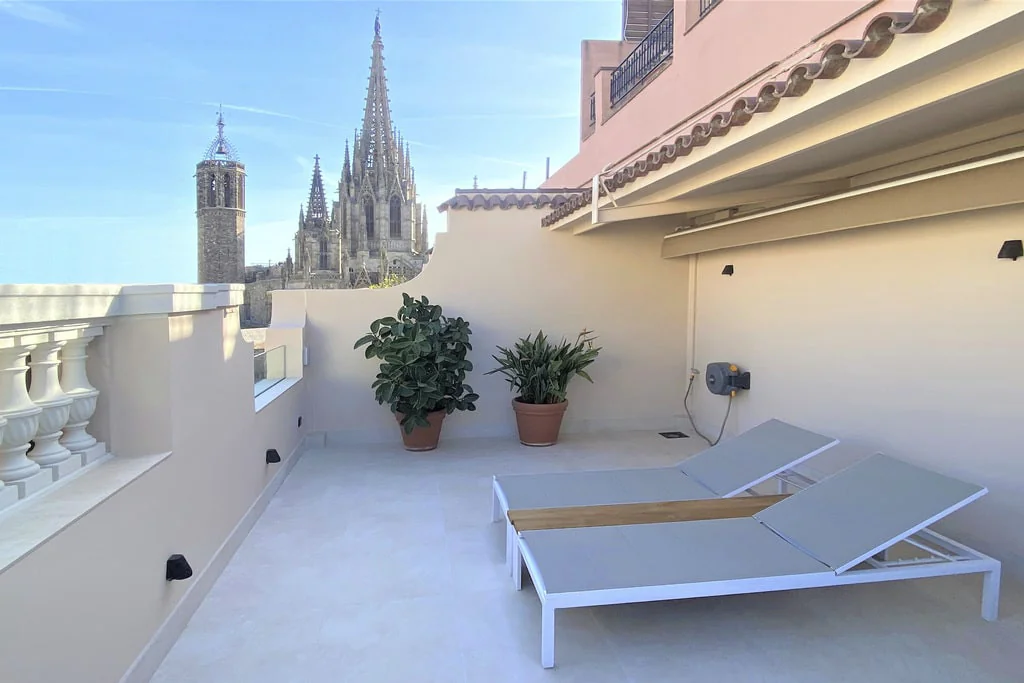
The Skyline Suite is on the hotel’s sixth floor and has a private terrace with a solarium area for 1 or 2 guests. It pairs a comfortable interior with its own outdoor space to enjoy Barcelona in the open air. Interior size (20–33 m²) and terrace size (26–70 m²) vary by room. The views are of the city and vary with each room’s orientation.