


.tmedium.png)
Literature in Barcelona
A city that writes, that resists, and that reads
What makes Barcelona one of Europe's great literary cities? Which bookshops are worth visiting during three days in the Gothic Quarter? Which novels are set in these very streets?
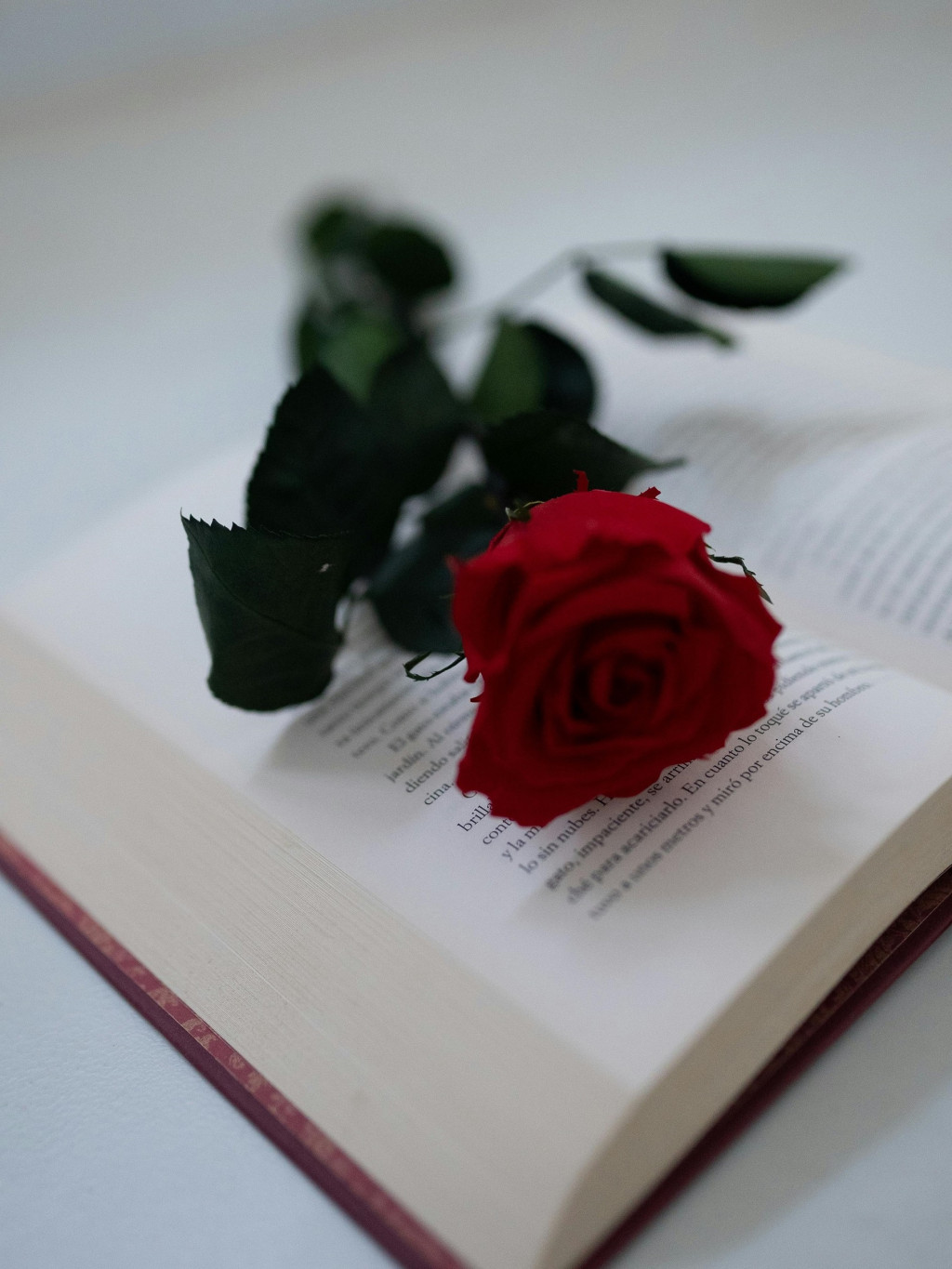
There are cities that appear in books. And there are cities that generate them. Barcelona belongs to both categories at once, and that is rarer than it seems. Its literary fabric is not decorative — it is constitutive. The Catalan language survived decades of explicit prohibition thanks, in part, to writers who kept publishing in exile, in clandestinity, or in the narrow margins that Francoism allowed. Sant Jordi, the book and rose festival that every 23rd of April turns Barcelona into the world's largest bookshop, is not just a tradition. It is the repository of all that. A political act disguised as a celebration that has been happening since 1923 and that even the dictatorship could not fully suppress.
— Barcelona does not only appear in books. It generates them. —
Literature in Barcelona
A city that writes, that resists, and that reads
What makes Barcelona one of Europe's great literary cities? Which bookshops are worth visiting during three days in the Gothic Quarter? Which novels are set in these very streets?
There are cities that appear in books. And there are cities that generate them. Barcelona belongs to both categories at once, and that is rarer than it seems. Its literary fabric is not decorative — it is constitutive. The Catalan language survived decades of explicit prohibition thanks, in part, to writers who kept publishing in exile, in clandestinity, or in the narrow margins that Francoism allowed. Sant Jordi, the book and rose festival that every 23rd of April turns Barcelona into the world's largest bookshop, is not just a tradition. It is the repository of all that. A political act disguised as a celebration that has been happening since 1923 and that even the dictatorship could not fully suppress.
— Barcelona does not only appear in books. It generates them. —
I. Sant Jordi: the day the city reads in the street
Every 23rd of April, Barcelona does something no other city in the world does with the same naturalness and scale: it takes books out into the street. Las Ramblas, the Passeig de Gràcia, the Born, the Gothic Quarter — every square, every wide pavement fills with book and rose stalls from early morning. Booksellers have spent weeks preparing their new-release tables. Authors sign copies for hours. The queues wrap around the block.
The tradition begins in 1923, when the Mancomunitat de Catalunya established the Day of the Book to coincide with the death of both Cervantes and Shakespeare — 23 April 1616. The rose came later, linked to the legend of Sant Jordi: the knight who slew the dragon and from whose blood roses sprang. Over time the two gestures merged. Today the convention of who gives what has dissolved, but the street keeps filling.
During Francoism, Sant Jordi was one of the few spaces where Catalan could appear in public without immediate consequences. Clandestine publishers used the day to distribute titles that could not circulate otherwise. The festival survived because it was too popular to suppress entirely. And that survival charged it with a meaning that goes far beyond the book and the rose.
— Every 23rd of April, Barcelona does what it has done since 1923: it reads in the street. —
II. A city that reads: the figure that explains everything
Catalonia has more independent bookshops than any other region in Spain — 453 establishments. Barcelona alone accounts for around 300. For a city of 1.6 million inhabitants, that is a density few European capitals can match. Total book sales in Spain exceeded 1.2 billion euros in 2024 — a record — and Barcelona and its publishing industry are the centre of gravity of that market.
But the figure that best defines Barcelona as a reading city is not how many bookshops it has, but how it uses them. The community of readers is expanding, and the opening of new spaces encourages, in turn, more reading — a virtuous circle that is unusual at a time when physical retail is retreating in almost every other sector.
And then there are the libraries. Barcelona has the densest network of public libraries in Europe relative to its population: more than forty neighbourhood libraries, open, free and well stocked. This is not a minor detail. It is the symptom of a city that has decided reading is infrastructure, not luxury. Every neighbourhood has one. The Biblioteca Jaume Fuster, on the Plaça de Lesseps, is one of the most visited public buildings in the city. The Biblioteca de Catalunya, housed in the fifteenth-century Hospital de la Santa Creu, is the literary archive of the language — and one of the most beautiful spaces in the historic centre.
— 300 bookshops. Over 40 public libraries. A city that has decided reading is a way of being in the world. —
III. The bookshops: a curated selection
Barcelona has bookshops for every kind of reader. What follows is not a complete map — it is a selection.
Finestres (carrer de la Diputació, 249) is the most talked-about literary phenomenon of the past decade. It calls itself the silent bookshop, and delivers: once inside, the traffic noise disappears. Over 45,000 titles in a space that feels like a private library. Directly opposite, on the same pavement, a second Finestres specialises in comics, poetry and theatre.
La Central (carrer del Mallorca, 237) is the city's generalist reference: an extensive catalogue, solid editorial judgement, a constant cultural programme. Its MACBA branch — installed in the heart of the Raval — is one of the most active meeting points between contemporary art and literature.
Calders (Passatge de Pere Calders, 9 — Sant Antoni) is housed in a former button factory and is the kind of bookshop that barely exists anymore: independent, with its own criteria, unconditional support for small publishers and local authors. The energy of the passageway gives it a life beyond the books.
On the Road (carrer de Verdaguer i Callís, 14 — Born) is small and precise: alternative literature, counterculture, the beat generation, underground poetry. Every book is chosen personally by its owner. It is the kind of bookshop where you find what you were not looking for.
Taifa (carrer de Provença, 203) founded by editor, critic and poet José Batlló, is a classic with two clearly defined sections: new books and second-hand books. One of the most historically significant and carefully curated bookshops in the city.
— In Barcelona, going to a bookshop is not buying a book. It is choosing which version of the city you want to read. —
IV. The city as setting: novels that take place here
Barcelona has been the setting for some of the most widely read novels of the past hundred years. Not as a tourist backdrop — as an active protagonist, with its neighbourhoods, its social tensions, its history and its language woven into the plot.
The Shadow of the Wind, by Carlos Ruiz Zafón, is the best-selling Spanish novel after Don Quixote — 15 million copies, translations into 36 languages. Set in post-war Barcelona in 1945, it turned the Gothic Quarter into international literary territory. The Cemetery of Forgotten Books is a fictional place. But readers who encounter the novel before arriving in Barcelona look for it in every street of the Born and the Gótico.
La plaça del Diamant, by Mercè Rodoreda (1962), is the novel that most precisely narrates what the Civil War meant for the women of this city. Set in Gràcia, its protagonist — the Colometa — moves through a Barcelona that changes its name, its language and its freedoms. It is one of the most translated works in Catalan literature. In the square that gives the novel its title, there is today a sculpture in her honour.
City of Marvels, by Eduardo Mendoza (1986), narrates Barcelona between the two Universal Expositions — 1888 and 1929 — through Onofre Bouvila, a young man who rises from poverty to power in parallel with the city itself. It is the novel that best explains why Barcelona is what it is.
Nada, by Carmen Laforet (1945), won the Premio Nadal in the year of its publication and portrayed post-war Barcelona — grey, hungry, oppressive — with a precision no history book has matched.
Juan Marsé was the great chronicler of Barcelona's margins. His novels are set in Gràcia, la Salut, el Carmel and el Guinardó — the neighbourhoods that literary culture had ignored. Últimas tardes con Teresa (1966) remains the most accurate portrait of the two Barcelonas: the one of the bourgeoisie, and the one of those who watched from outside.
— The Barcelona of Zafón, of Rodoreda, of Marsé. Three cities inside one city. All three real. —
V. Lamaro and literature: the hotel where they wrote
This building is not near the literary history of Barcelona. It is part of it.
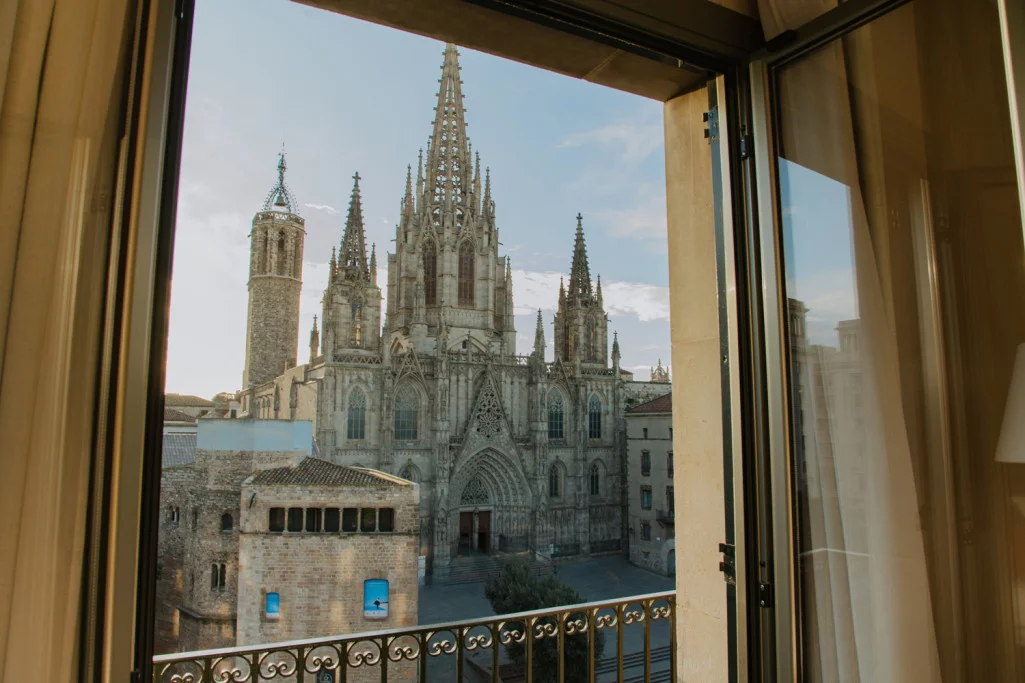
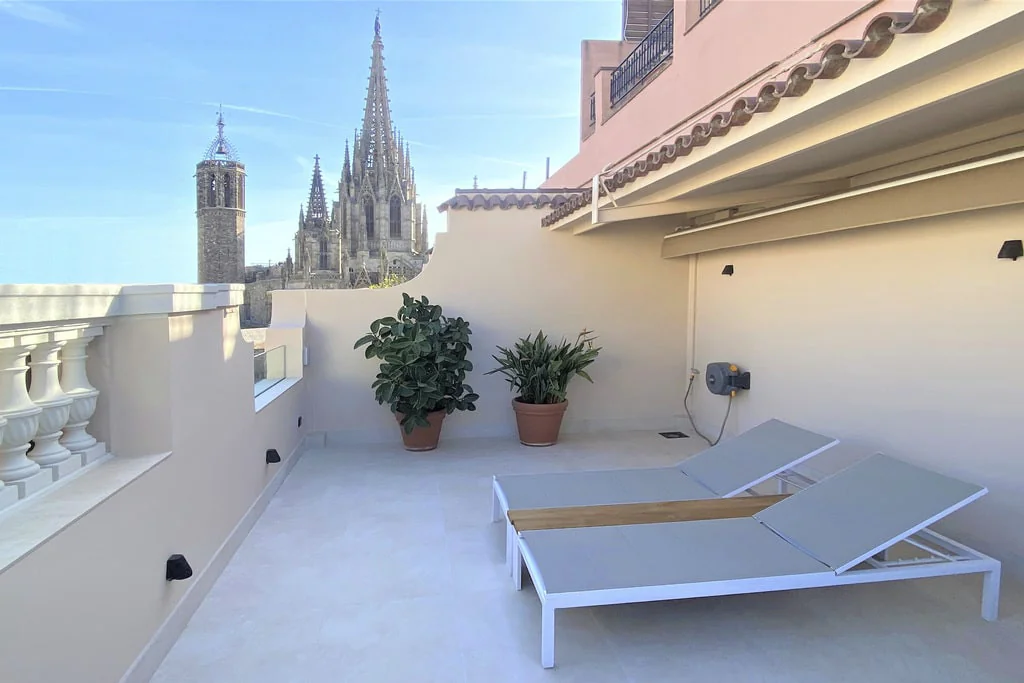
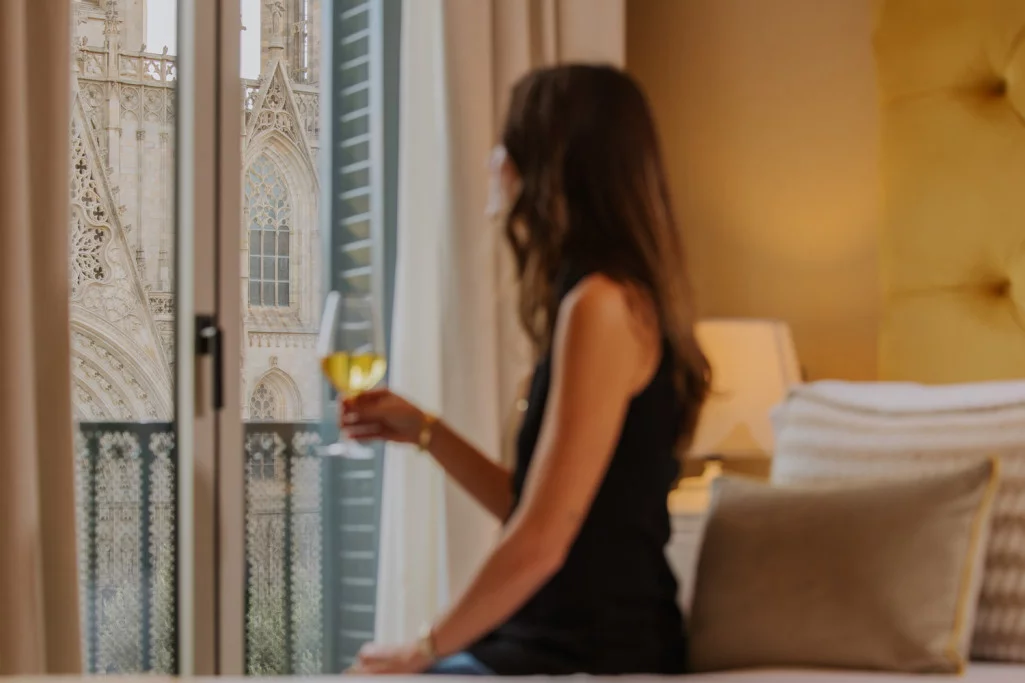
Ernest Hemingway, Tennessee Williams, Jean-Paul Sartre and Camilo José Cela all stayed here. Not in passing — as guests who chose this hotel facing the Cathedral to be at the exact centre of the city they wanted to read. Sartre, who had confessed that he loved to walk up and down Las Ramblas a hundred times at night, found his Barcelona base here. The image preserved in various accounts is precise: Sartre on the terrace, the Cathedral in front of him.
For guests with a direct booking, the Lamaro team can suggest literary routes through the Gothic Quarter and the Born, and assist with access to the season's literary events. On 23 April, Sant Jordi turns the streets around the hotel into one of the most singular book markets in the world. Booking well in advance for those dates is essential.
— Hemingway slept here. Sartre philosophised on the terrace. Some hotels have history. This one is part of it. —
Calendar: Literature in Barcelona 2026
Some dates are approximate. Please confirm with each venue before your visit.
Book with us with benefits
-

Best price guaranteed
-

Cancellation insurance included in non-refundable rates.
-

Early check-in / Late check-out
(subject to availability) -

Free parking
-

Complimentary first minibar refill
Your starting point for reading Barcelona
- With terrace or balcony
- Views of the cathedral
- Suites
- Triples and Family (Quad)
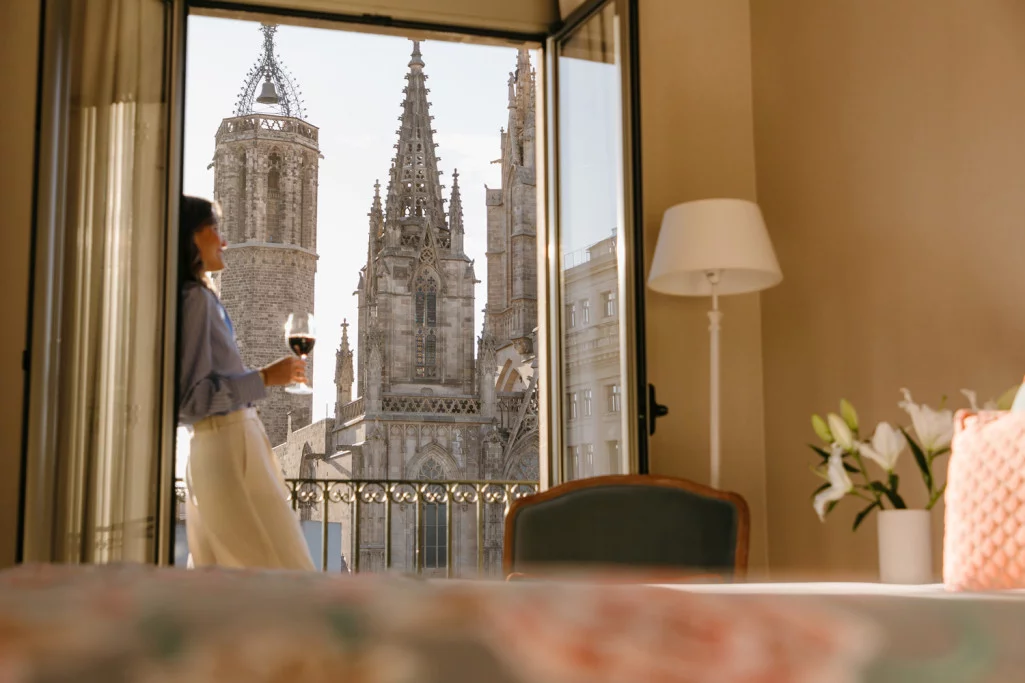

Premium Suite
1 or 2 guests · views · balcony
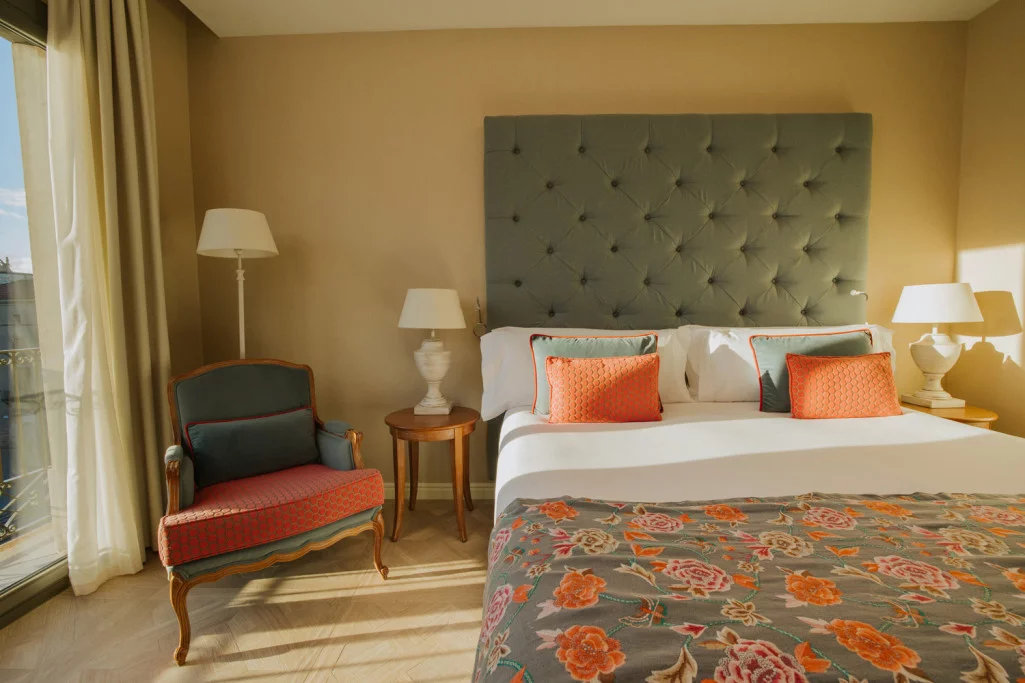
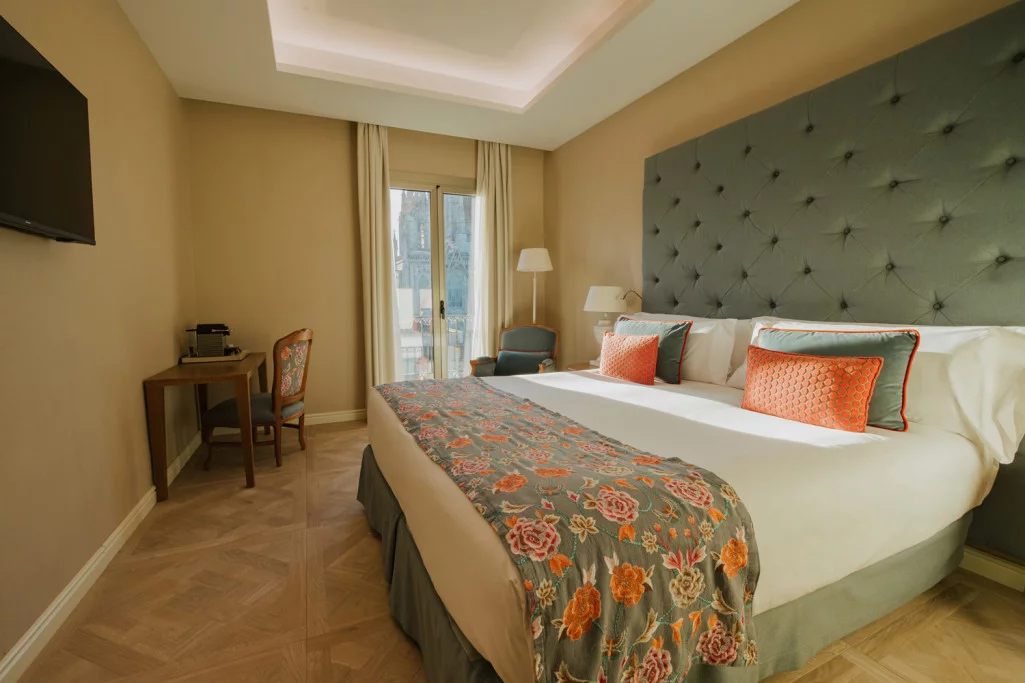
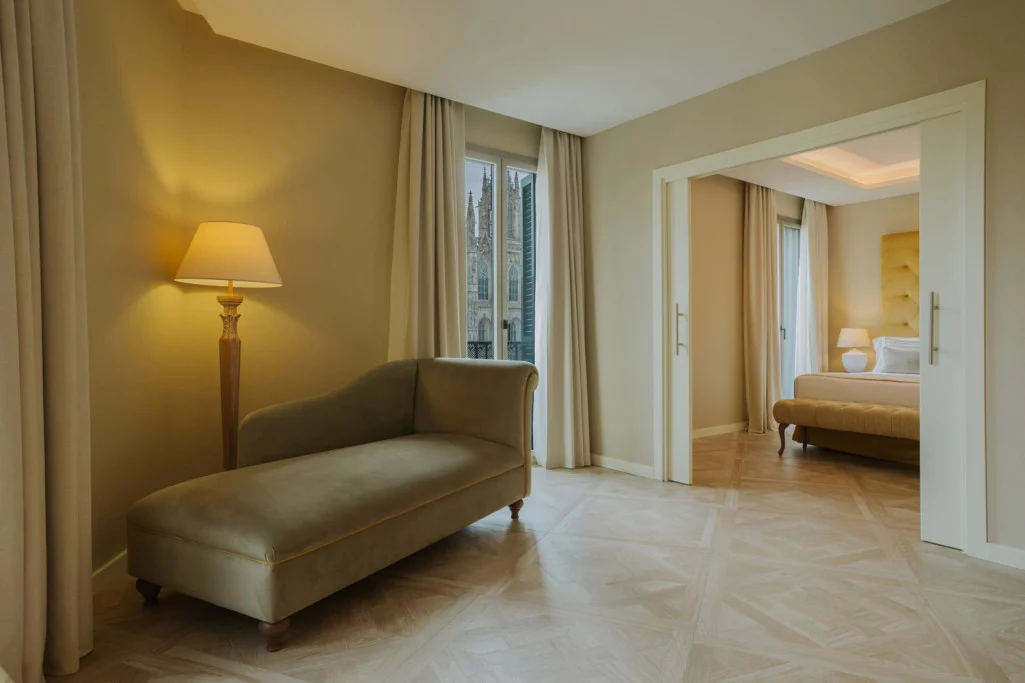
The Premium Suite combines design, comfort and privileged views of Barcelona Cathedral. With 25 m² for 1 or 2 guests, this suite invites you to enjoy an unforgettable experience from its private balcony, with views of one of the city's most iconic landmarks.
Design & Craft Tour included with direct bookings (through our website, by phone, or by email). A guided 2.5–3 hour tour of the artisan workshops in the Gothic Quarter, starting from the L'Àtic rooftop. There is only one tour per day, at 11:00 AM, subject to availability and prior confirmation. We recommend booking in advance by writing to concierge@lamarohotel.com, indicating your preferred date. More information
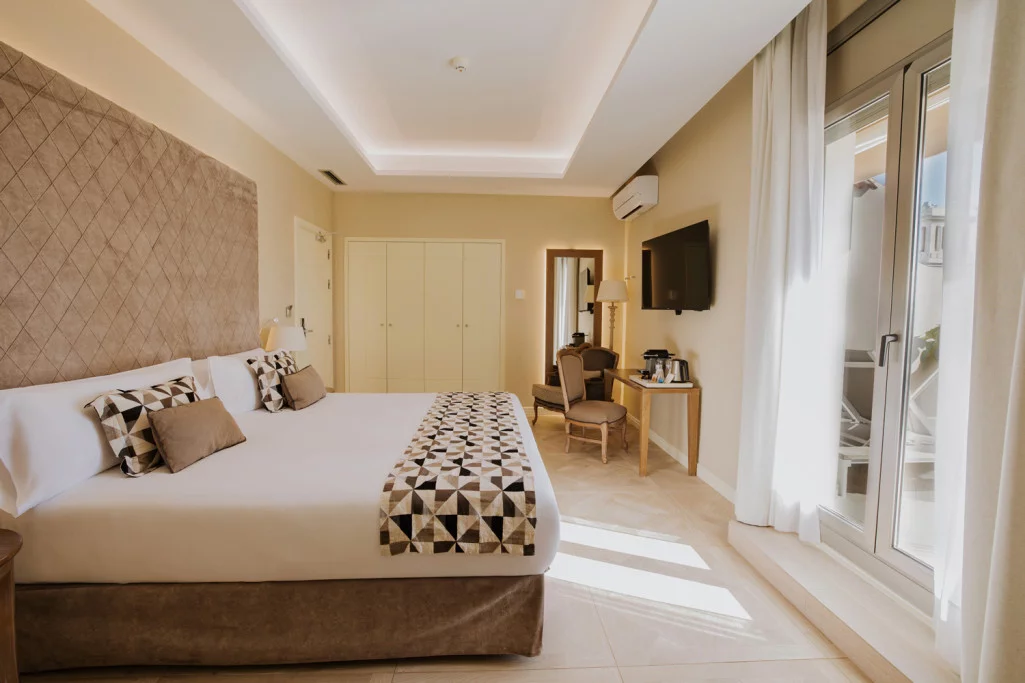
Skyline Suite
1 or 2 guests · terrace
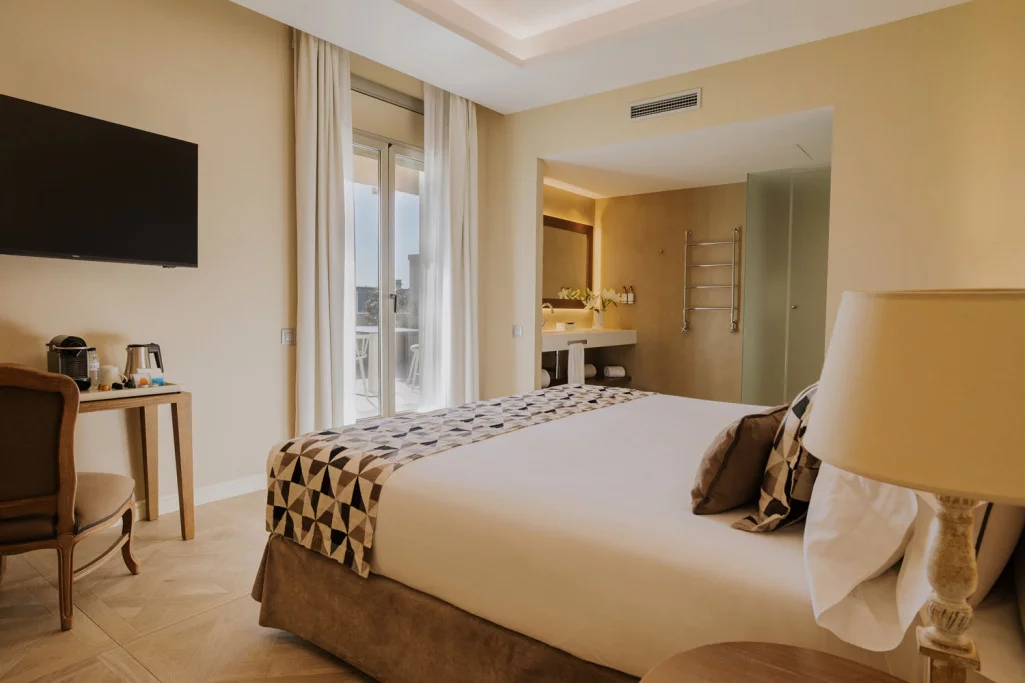
The Skyline Penthouse offers 20 m² of interior space and a spacious private terrace of 27 m², ideal for 1 or 2 guests looking to enjoy Barcelona from above. Located on the upper level of the hotel, this room combines a comfortable interior with an exclusive outdoor space, perfect for relaxing and taking in the city in a calm and privileged setting.
Grand Master Suite
4 guests · views · balcony
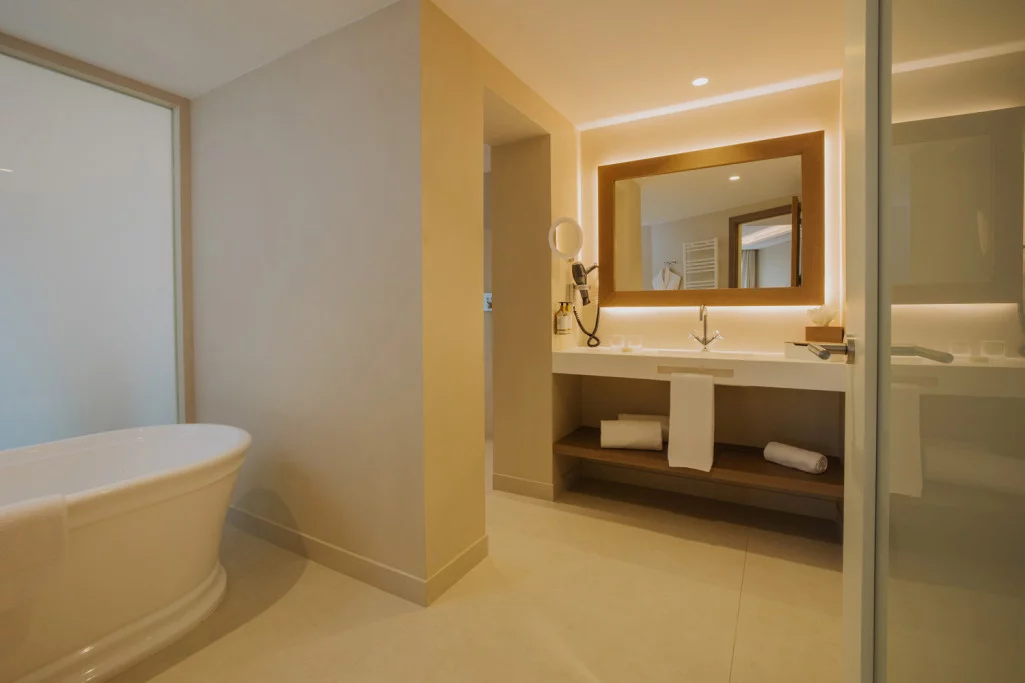
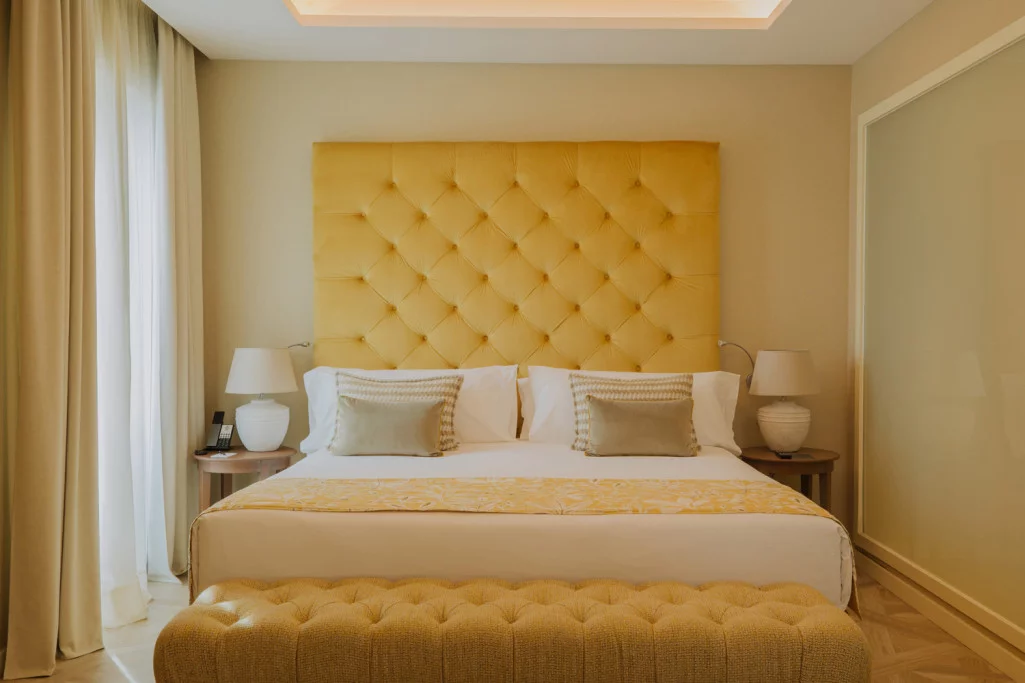
The Grand Master Suite is the most spacious and exclusive suite at Lamaro Hotel. With 72 m² of space, it is designed to comfortably accommodate up to 4 guests (2 adults and 2 children up to 17 years old), offering an elegant and functional setting for family stays or trips that require extra space. It features a King Size bed, a bathroom with both a shower and a bathtub, and two private balconies offering views of Barcelona Cathedral, bringing in natural light and a direct connection with the city's historic surroundings. A suite that combines space, comfort and a privileged location in the heart of Barcelona.
Design & Craft Tour included with direct bookings (through our website, by phone, or by email). A guided 2.5–3 hour tour of the artisan workshops in the Gothic Quarter, starting from the L'Àtic rooftop. There is only one tour per day, at 11:00 AM, subject to availability and prior confirmation. We recommend booking in advance by writing to concierge@lamarohotel.com, indicating your preferred date. More information